Real World Use Cases of NFT’s: Beyond The Hype
Non-Fungible Tokens (NFT’s) have taken the world by storm, with digital art and collectibles selling for millions of dollars. But beyond the hype, what are the real-world use cases for NFT’s? Let’s dive in and explore some practical applications that go beyond the realm of speculation.
1. Digital Art And Collectibles
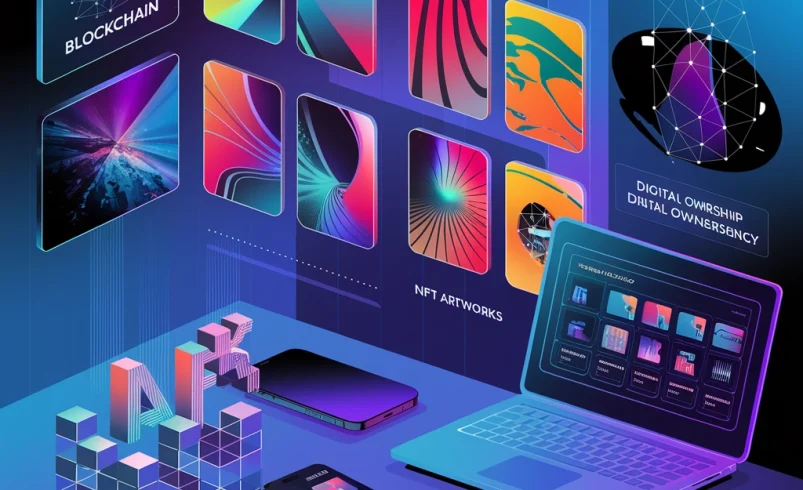
Let’s start with the most well-known use case: digital art and collectibles. NFTs have revolutionized the art world by providing a way for artists to monetize their digital creations and for collectors to own unique pieces. From Beeple’s $69 million sale to the rise of NFT marketplaces like OpenSea, digital art has become a legitimate and lucrative industry.
But it’s not just about the big-ticket items. NFTs have also democratized the art world, allowing emerging artists to showcase their work and connect with a global audience. And with the ability to prove ownership and authenticity, NFTs have opened up new possibilities for art collectors and enthusiasts.
2. Gaming And Virtual Worlds
NFT’s have also found a home in the world of gaming and virtual worlds. In games like Axie Infinity and Decentraland, players can own, trade, and monetize unique digital assets, from characters and weapons to virtual real estate.
This has created new opportunities for gamers to earn a living through play-to-earn mechanics, where they can earn cryptocurrency and NFT’s by participating in the game’s economy. And with the rise of metaverse platforms, NFT’s are poised to play a central role in shaping the future of virtual worlds.
3. Music And Entertainment
The music and entertainment industries have also embraced NFT’s as a way to connect with fans and monetize content. From Kings of Leon’s NFT album release to Grimes’ digital art and music NFT’s, artists are using NFT’s to offer exclusive experiences and rewards to their fans.
NFTs have also opened up new revenue streams for creators, allowing them to earn royalties on secondary sales and maintain control over their intellectual property. And with the rise of NFT-powered ticketing and merchandise, fans can own a piece of their favorite artists’ history.
4. Supply Chain And Provenance
NFT’s have the potential to revolutionize supply chain management and provenance tracking. By tokenizing physical assets and creating a tamper-proof record of ownership and history, NFT’s can help ensure the authenticity and origin of goods.
From luxury goods and fine art to food and pharmaceuticals, NFT’s can provide a transparent and secure way to track the journey of products from source to consumer. This can help combat counterfeiting, improve transparency, and build trust in global supply chains.
5. Real Estate And Property Rights
NFT’s are also being explored as a way to tokenize real estate and property rights. By representing ownership of physical or virtual property as an NFT, buyers and sellers can enjoy a more efficient and transparent way to transfer assets.
In countries with underdeveloped property rights systems, NFT’s could help formalize ownership and create a more accessible and inclusive real estate market. And with the rise of fractional ownership and real estate investment trusts (REITs), NFT’s could democratize access to real estate investing.
The Future Of NFT’s
As the NFT ecosystem continues to evolve, we can expect to see even more innovative use cases emerge. From identity and credentials to intellectual property and licensing, NFT’s have the potential to transform a wide range of industries and applications.
But as with any new technology, there are also challenges and risks to consider. Issues like environmental impact, market volatility, and regulatory uncertainty will need to be addressed as NFT’s continue to gain mainstream adoption.
Nonetheless, the real-world use cases of NFT’s are already demonstrating their potential to create new opportunities, drive innovation, and reshape the way we think about ownership and value in the digital age.